Lower Trent Conservation
Did You Know?

Collectively, Conservation Authorities own and protect a total of 150,000 hectares, including forests, wetlands, areas of natural and scientific interest, recreational lands, natural heritage and cultural sites, as well as, land for flood and erosion control.

Lower Trent Conservation News

Your Voice Matters – Protect Your Local Conservation Authorities


The Province of Ontario is proposing a major restructuring of conservation authorities that could significantly affect how conservation authorities’ programs and services are delivered in our community.Under ERO Posting 025-1257, the province is proposing to consolidate Ontario’s 36 local conservation authorities into 7 large regional authorities by January 2027.

What’s Being Proposed?

The province states that consolidation is intended to:Modernize operationsStreamline processesStandardize permitting and administration While these goals are reasonable, consolidation is not required to achieve them. Modern tools like shared software systems and standardized reporting can be implemented without eliminating local conservation authorities.

What Do We Do for You?
Lower Trent Conservation helps safeguard drinking water and water quality, reduce flooding and erosion that threaten homes and infrastructure, and protect the wetlands, forests, and wildlife that make our region resilient. We review development proposals to keep people safe and ensure growth happens responsibly.

We provide locally accessible conservation lands that offer residents safe, welcoming spaces for recreation, connection to nature, and mental well-being. These lands are free to access, giving everyone the opportunity to walk, hike, observe wildlife, and enjoy the outdoors close to home. Local management ensures these spaces are maintained, protected, and responsive to community needs, preserving them as shared public assets for current and future generations.

Through education and stewardship programs, we empower residents to care for the land and water that sustain our communities. These services rely on local knowledge, local presence, and local accountability—and they are at risk under large, centralized regional models.

Why This Matters to Our Community

Lower Trent Conservation already delivers efficient, effective service. In fact:
  • Permit approvals are already meeting (and exceeding) provincial timelines
  • Staff have demonstrated they can meet new performance standards
 
Loss of Local Voice and Representation
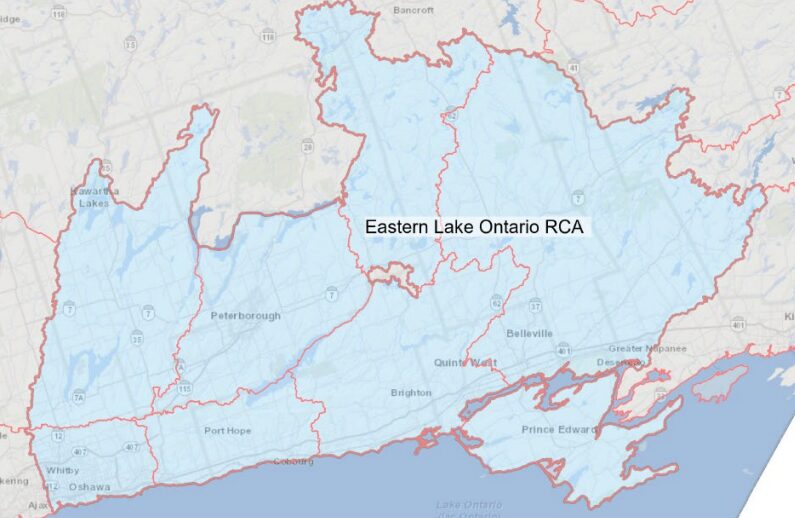
Under the proposed Eastern Lake Ontario Region:
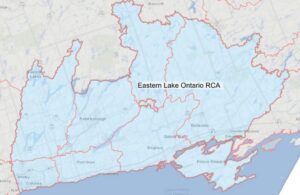
 

  • Seven conservation authorities would be merged, Central Lake Ontario Conservation, Crowe Valley, Ganaraska Conservation, Kawartha Conservation, Lower Trent Conservation, Otonabee Conservation and Quinte Conservation
  • 48 municipalities would be represented under one board
  • No governance model has been provided
 
This would greatly reduce local municipal representation and weaken the ability of communities to influence decisions that directly affect their watershed, land use, and budgets.

Municipal Costs and Local Assets at Risk
Municipalities currently fund over 50% of LTC budget. They also:
  • Contribute to capital assets such as buildings, land, and equipment
  • Maintain properties donated by individuals, organizations and acquired through the assistance of local municipal governments
 
The proposal does not clearly explain how locally owned asset, such as conservation lands, buildings, and equipment will be utilized under a regional model. It also lacks detail on how budgeting will remain transparent or how municipalities and residents will be meaningfully involved in financial decision-making.

Local Knowledge Can’t Be Replaced
Conservation work depends on:
  • Local watershed knowledge
  • Established relationships with municipalities, residents, First Nations, and community groups
  • Accessible local offices and staff

 
Moving to a large regional structure risks disconnecting conservation services from the communities they are meant to serve, weakening long-standing relationships with municipalities, residents, and local partners that are essential to effective conservation planning.


What We’re Asking For
The Lower Trent Region Conservation Authority requests:

  • That the consolidation be paused until the current configuration of 36 conservation authorities be given the opportunity to establish operations utilizing the modernization tools and new standards as proposed.

  • That a longer timeline be considered to address governance, financial, guidelines and directives before the proposed consolidation is considered. The development of a clear transition plan be prepared collaboratively with a representative working group to outline expectations and timelines.

  • That all local conservation authority offices remain open for access by municipal partners and the public to promote local delivery of all required services.

  • That the province provides a letter to each conservation authority for distribution to staff reinforcing the importance of staff members to deliver programs and services to assist with slumping staff morale, maintain service levels, and counteract the lack of direct messaging to date.


The Lower Trent Region Conservation Authority recommends

  • Maintaining the current local offices as stated earlier and further that local naming and brand identity remain intact.
  • That the mapping as depicted for the proposed Eastern Lake Ontario Region Conservation Authority is incorrect. The northern limit of the Lower Trent Region Conservation Authority requires correction to reflect the legal and operational boundary.

 We strongly encourage residents, landowners, municipal partners, and community organizations to submit comments on ERO Posting 025-1257 and share how local conservation services matter to you.


Your Voice Matters — Submit a Comment before December 22, 2025 here: ERO Posting 025-1257


Together, we can ensure conservation remains local, effective, transparent, and accountable to the communities it serves.